
Our approach
Disciplined by design.
This is how we decide what to build, and how we build it. It is also how we expect to be held to account.

How we think about growth
We prefer disciplined growth to growth for its own sake.
Growth is the result of doing the basics well: serving customers, keeping promises, running a sound operation. When those are in place, growth tends to follow. When they are not, growth exposes the gaps.
So before every significant step, whether a new product, a new market or a new company, we ask three questions:
- Is the need real, and will it last?
- Are we ready to serve it well?
- Can we sustain it without weakening what already works?
Eight working principles
What guides our decisions.
These apply to the group and to every company within it.
Finding genuine needs
Every business starts with a question: what do people need that is not yet served well? We look for everyday needs with lasting demand, where quality, price or access can be meaningfully improved. If we cannot describe the customer and the problem clearly, we do not start.
Choosing industries carefully
Before entering an industry we ask whether we understand it, whether we can bring something useful to it, and whether we can build the capability to run it properly. Most opportunities fail at least one of these tests. We let them pass.
Building strong brands
A brand is a promise kept every day. We build brands that are honest about what they offer and consistent in delivering it, so that customers can choose them without a second thought.
Working with capable partners
No group builds everything alone. We work with manufacturers, suppliers, distributors and advisers who share our standards, and we aim to be a partner worth keeping: clear terms, fair dealing, and relationships that outlast a single contract.
Quality and compliance
We treat quality and regulatory compliance as foundations, not features. Each company is expected to meet the standards and licensing requirements of its industry before it scales, and to keep meeting them as it grows.
Responsible capital allocation
Capital is finite and should be treated that way. We invest in stages, tie further investment to evidence, and avoid commitments that would put existing businesses at risk.
Learning before scaling
A product, a route to market or a new company should prove itself on a small scale first. We test, measure and refine before we expand. Scaling something that does not yet work only makes the problem bigger.
Long-term investment
We judge our decisions over years, not quarters. That shapes how we hire, how we build relationships, and what we are prepared to wait for.

Long-term thinking
Build slowly. Build to last.
Foundations first, floors later. We scale only when the ground can carry the weight.
The cycle
From need to sustained growth.
Five stages every LIFE business moves through, and returns to as it develops.
Understand
Research the customer, the market and the economics. Talk to the people who will buy, sell and supply.
Build
Assemble the team, partners and systems. Set quality and compliance standards before launch.
Deliver
Launch carefully, in a limited scope, and keep every promise made to customers and partners.
Improve
Measure what happens, listen to feedback, and fix problems before they spread.
Grow
Expand reach and range once the model is proven and the foundations can carry more.
Need first
Real needs, in real places.
Every business we build has to start from something people need on an ordinary day, not from an idea that only works on paper.
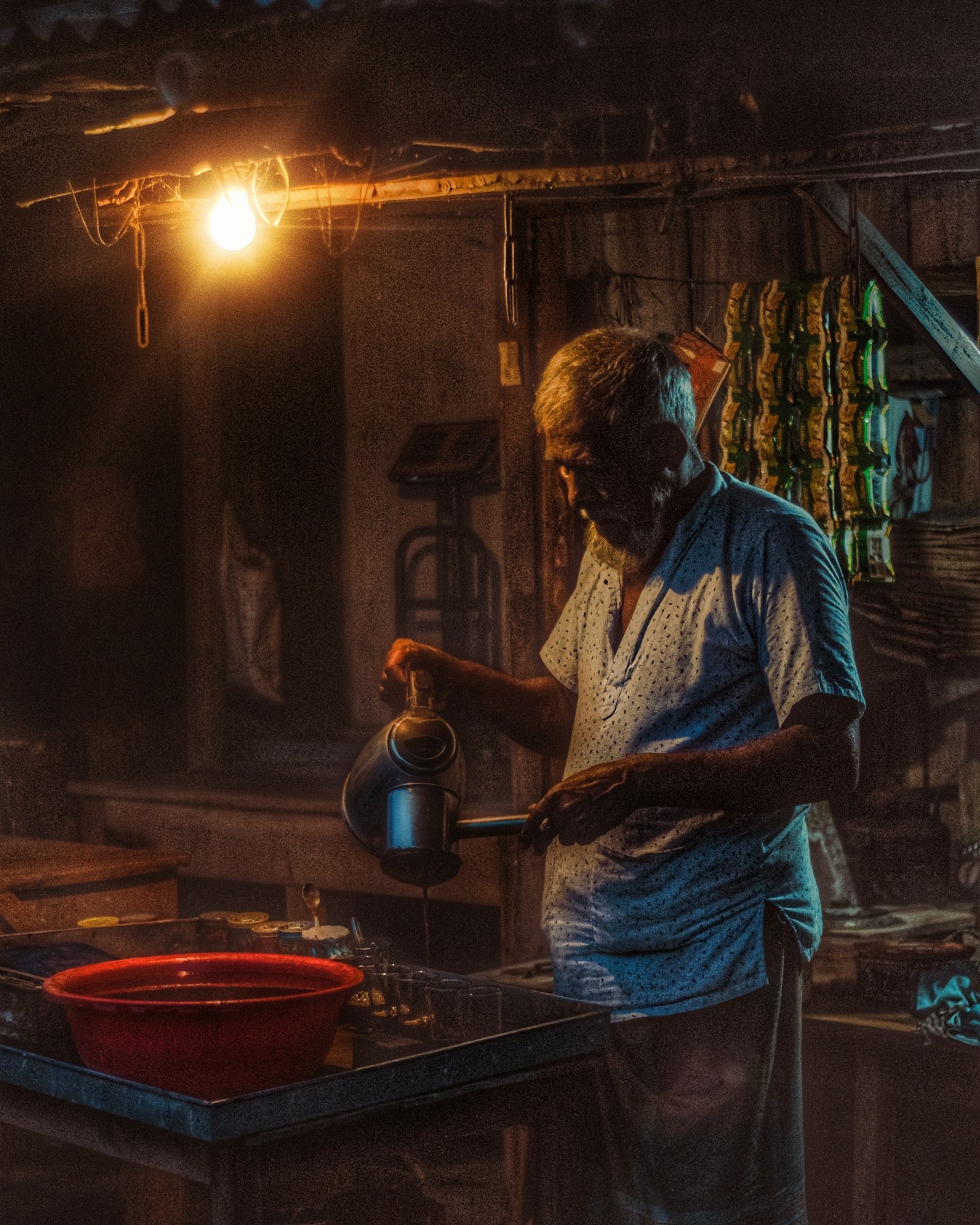
The first cup of cha, made fresh at the corner stall 
Green fields in the monsoon 
Dhaka, green and growing


Work with us
Partners who think long-term.
If this is how you like to work, we should talk, whether you supply, manufacture, distribute or invest.

